
Using the continuous measure of alcohol consumption, drinking was quantified using a number of different variables as noted above. In addition, responses to the audible prompts multiple times a day were used to assess desire to consume alcohol. There were no changes in any vital signs, hematology, blood chemistry, renal or liver function tests during the three phases of the study. The maximal possible observations were based on the number of side effect categories that were recorded, multiplied by the number of study days in each phase, which was then multiplied by the number of subjects participating in each study phase. The overall incidence of side effects (e.g., headaches, shakes, chills, nausea, etc.) in both groups ranged between 1.7 and 3%. None of the study participants reported any insomnia, sedation, dizziness, blurred vision, tinnitus, or altered libido.
Can kudzu be taken in conjunction with other medications for alcoholism?
- For targeting alcohol dependence, studies have used dosages of 1.2 grams of kudzu root extract per day over 1 week, or a single dose of 2 grams before drinking alcohol, without noted side effects (3, 19).
- The aforementioned isoflavones are what help regulate hormones and in turn help combat the pesky symptoms that come along with PMS, perimenopause, and menopause.
- Stores typically sell it as a powdered drink mix, an oral capsule or tablet, liquid drops, or as a food-grade starch to use in cooking.
- Any product carrying a THR mark can be relied upon to contain the amounts of herb/active ingredient as stated on the bottle.
- NPI-028 contains the extracts of several plants including Puerariae lobata (kudzu) and Citrus reticulata, which have long been used to lower intoxication (Sun, 600).
The root in particular is valued for its medicinal properties, and the beneficial effects are thought be down to a group of compounds found in high concentrations within the plant, called isoflavones. “The most urgent need is helping people who cannot help themselves, who need a drug to help them stop drinking,” Keung said. They are also interested in the possibility of developing a dosage of kudzu that individuals could take once, before a night of drinking, rather than a set of pills which must be taken regularly. The researchers next plan to use Magnetic Resonance Imaging to examine the effects of kudzu on how quickly alcohol gets into the brain. “You want to make sure that your medication is not as bad or worse than the drug you’re trying to treat,” Lukas said.
How can I make myself buy healthier food whilst shopping?
In recent years, it has gained attention for its potential use in treating alcoholism. Kudzu contains compounds that are believed to reduce alcohol cravings and help with withdrawal symptoms. While kudzu root has a long history in traditional Chinese medicine, people most often use it to help treat alcohol dependence. Various studies have used single, one-time doses or daily doses for a week without reported adverse effects. Furthermore, the men who took kudzu had fewer heavy drinking days per week and had significantly more consecutive days with no alcohol consumption (2).

A standardized kudzu extract (NPI- reduces alcohol consumption in nontreatment-seeking male heavy drinkers

In addition, the wrist actigraphy device was programmed to provide an audible “beep” every 3 hours ± 20 minutes to which the participant was required to enter a number between 0 (no desire) to 10 (greatest desire ever) to record his desire to drink alcohol AT THAT TIME. The ActiWatch® Score device contains an accelerometer that was used to record sleep/wake activity. We have previously reported on the sleep/wake patterns of the participants in this study (Bracken et al., 2011).
Compounds called isoflavones are thought to be responsible for its potential effects. In some instances, even a single dose of kudzu extract reduced alcohol consumption and prevented binge drinking (4, 5). The rates of alcohol drinking during follow-up phase were also reduced compared to baseline in both the kudzu- and placebo-treated groups.
The use of kudzu for alcoholism originated in China around 600 A.D. The Chinese noticed that people who consumed the plant started to drink less. According to traditional Chinese medicine, this plant has cooling properties that balance the heat and false energy created by alcohol. The finding that alcohol intake was reduced without affecting desire to use alcohol at first seemed counter-intuitive. However, it is important to recognize that one of the major weaknesses of the measure that we used to record desire to drink alcohol was that it was unidimensional.
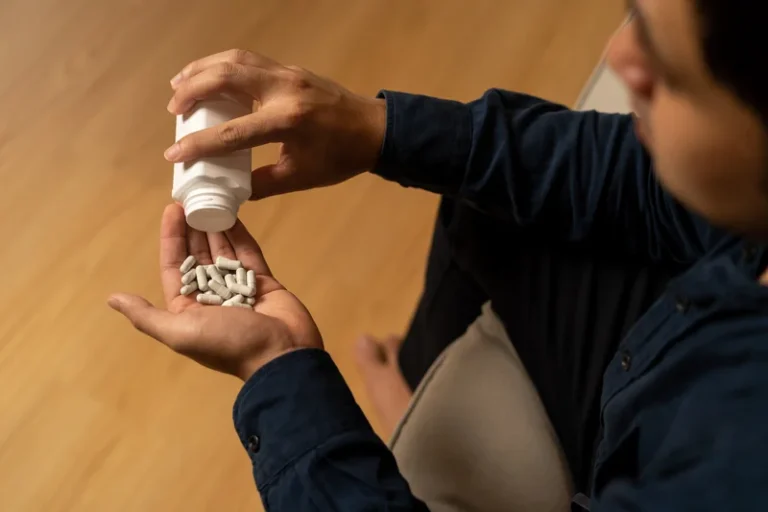
Morning and evening sets of capsules also contained a 25 mg tablet of riboflavin (vitamin B2) and the afternoon sets contained an additional placebo capsule, in addition to the two kudzu extract capsules, in order to maintain a uniform number (3) of capsules. Capsule sets were individually packaged in small envelopes and marked on the outside with date and kudzu to stop drinking time of day to be consumed. Medication adherence was measured using ultraviolet (UV) light to detect riboflavin in centrifuged urine samples (Del Boca et al., 1996) that were collected twice a week. Endogenous levels of riboflavin are too low to fluoresce and participants were instructed to avoid multivitamin complexes while participating in the study.
- “There are anti-inflammatory properties in kudzu, which may help reduce inflammation in the body,” Beckerman says.
- Studies on the effectiveness of kudzu for alcoholism have shown mixed results.
- Anecdotal sources also note that kudzu root may lower blood sugar too much or slow down blood clotting.
- In fact, traditional Chinese medicine has used the plant for over 2,500 years.
- Researchers found that the kudzu extract had no effect on alcohol cravings, but it reduced the number of weekly alcoholic drinks by 34–57% (2).
This time, the groups were given the opposite pill from the one they’d previously taken (meaning that they acted as their own control for the experiment). Again, we calculated the total units consumed for each group, and then https://ecosoberhouse.com/article/why-alcohol-makes-you-feel-hot-and-sweat-after-drinking/ compared the total units consumed after placebo vs those consumed after kudzu. Two hours before the first visit, we gave both sub-groups a pill – neither group knew whether they were getting the supplement or the placebo.
The reductions in drinking by kudzu extract were observed by the second week of treatment and persisted through the 4th week of treatment. In addition, the two treatments greatly differed in the percent of days abstinent as well as the number of consecutive days of abstinence. Increased consecutive days of abstinence is a desirable outcome of an alcohol treatment program, especially during the initial phases of treatment (Washton and Zweben, 2006). The fact that kudzu extract nearly doubled the number of consecutive days that individuals maintained abstinence suggests that it may be a useful adjunct during the early weeks of treatment. The study consisted of a 2-week baseline period, 4 weeks of medication (subjects were randomized to either kudzu extract or placebo treatments) and a 2-week follow up period.